
The Soundmask Blog
-

How does sound masking work?
Sound masking works by adding a background sound to a space. This is usually because background sound levels are too low. A simple example of a masking sound is a radio or television. Indeed, some doctors offices use a radio to create speech privacy. The sound of the radio reduces the intelligibility of the speech.…
-
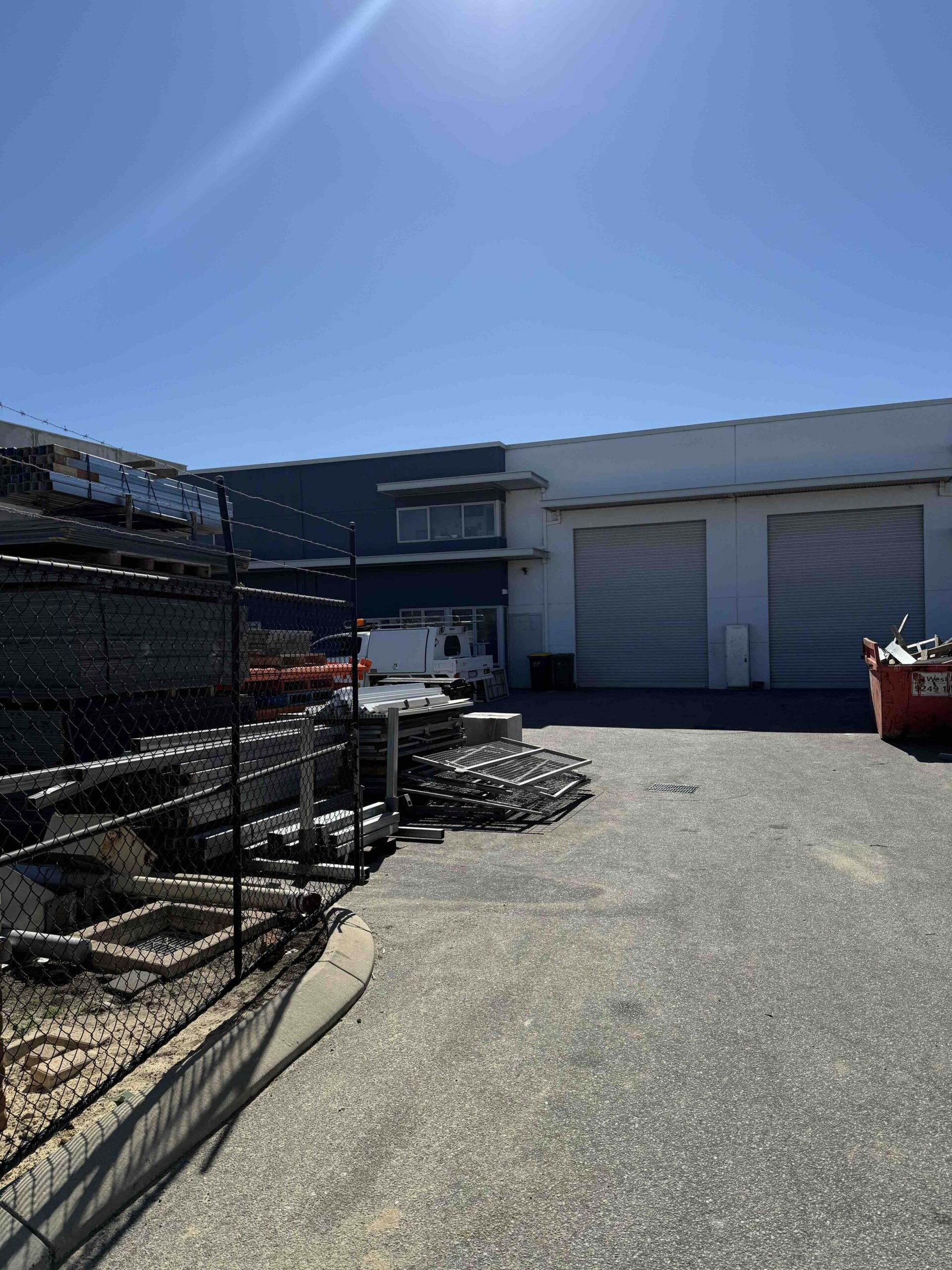
Case Study — Scrap Metal Drops and a Perth Office
Part 3 of our series based on our paper “User Comfort in Unexpected Acoustic Environments”. This is the first of three case studies. High-impact, intermittent sounds are among the hardest acoustic problems to solve. They also cause a startle response, which over time can be damaging to physical and mental health. In a recent Australian…
-

When the Standards Don’t Fit the Space
Part 2 of our series on user comfort in unexpected acoustic environments. Sound masking is traditionally used in open plan offices, medical facilities and professional suites, where it reduces intrusive noise and improves speech privacy. It has also been installed successfully in less traditional settings, but these are much less researched. A crowded field of…
-

Noise Is More Than an Annoyance
This is the first in a series based on our paper, “User Comfort in Unexpected Acoustic Environments”, co-authored with Philip Faccenda (Faccenda Shopfitters) and Michael Waddington (Acoustic Halo). We tend to think of noise as a nuisance. But when noise moves beyond annoyance, the research is clear: it affects our health. It’s not just about…
-

Why Cheap and Sustainable Can Co-exist in Construction
For years, the Australian construction industry viewed sustainability as an expensive luxury. Developers often pitted “cheap” against “sustainable” during the initial planning stages. However, a recent Build Australia article challenges this old mindset. The author reveals that sustainability actually drives long-term affordability. When project teams treat sustainable features as optional extras, they miss the bigger picture. Smart…
-

Acoustics for an Aging Workforce
The modern workforce is changing rapidly. Australians are choosing to work longer before retirement. While extended careers bring valuable experience, they also bring physical changes. One major shift involves our hearing health. As employees age, many experience mild, age-related hearing loss. This condition makes it difficult to filter out ambient speech. It transforms a lively…
-

Securing the Perimeter: Auditory Privacy in High-Security Environments
High-security private and government facilities face constant surveillance threats. Sophisticated bad actors always look for leaks. While cybersecurity protects digital networks, teams often overlook oral communication. Preventing electronic eavesdropping or deliberate listening-in requires an specialised solution. This is where sound masking can become vital. Soundmask provides tailored acoustic security systems across Australia. Our clients include…
-
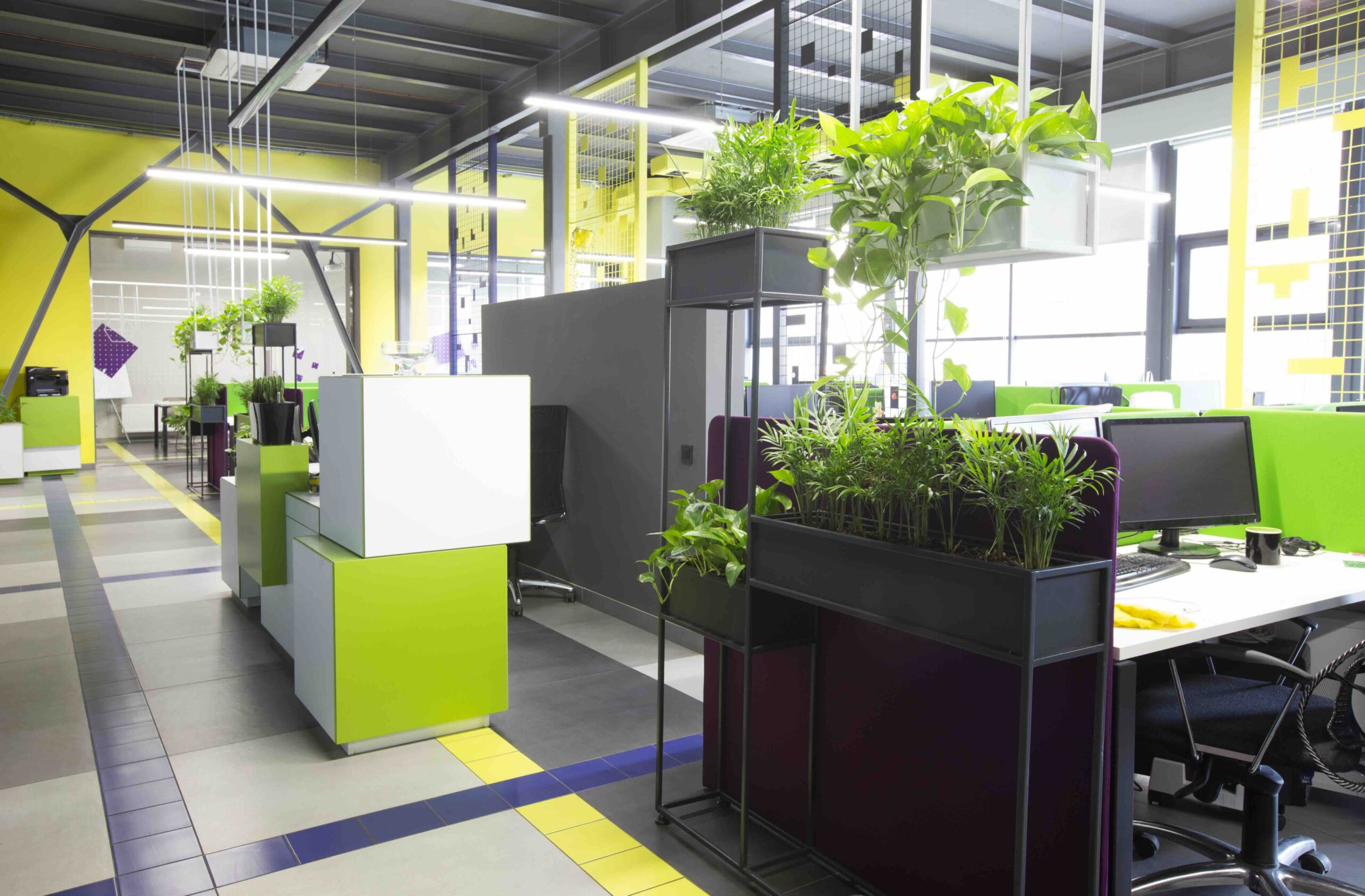
Acoustics standards in LEED and WELL
Sustainable design is an important part of modern architecture. However, open-plan green buildings often suffer from poor acoustic performance. Stripping out traditional suspended ceilings and thick carpets creates loud, echoing environments. This echo distracts busy employees and lowers overall workplace productivity. This is why acoustic standards exist to mitigate this problem. The Role of a…
-

The annoyance threshold in workplaces
Ever wonder why a steady, whirring desk fan fades into the background, but your colleague’s quiet, one-sided phone conversation makes your blood boil? It feels irrational. The fan is objectively louder, yet your brain cannot ignore the murmur of the call. This happens because of a psychoacoustic phenomenon. Our brains are not simple volume meters.…
-
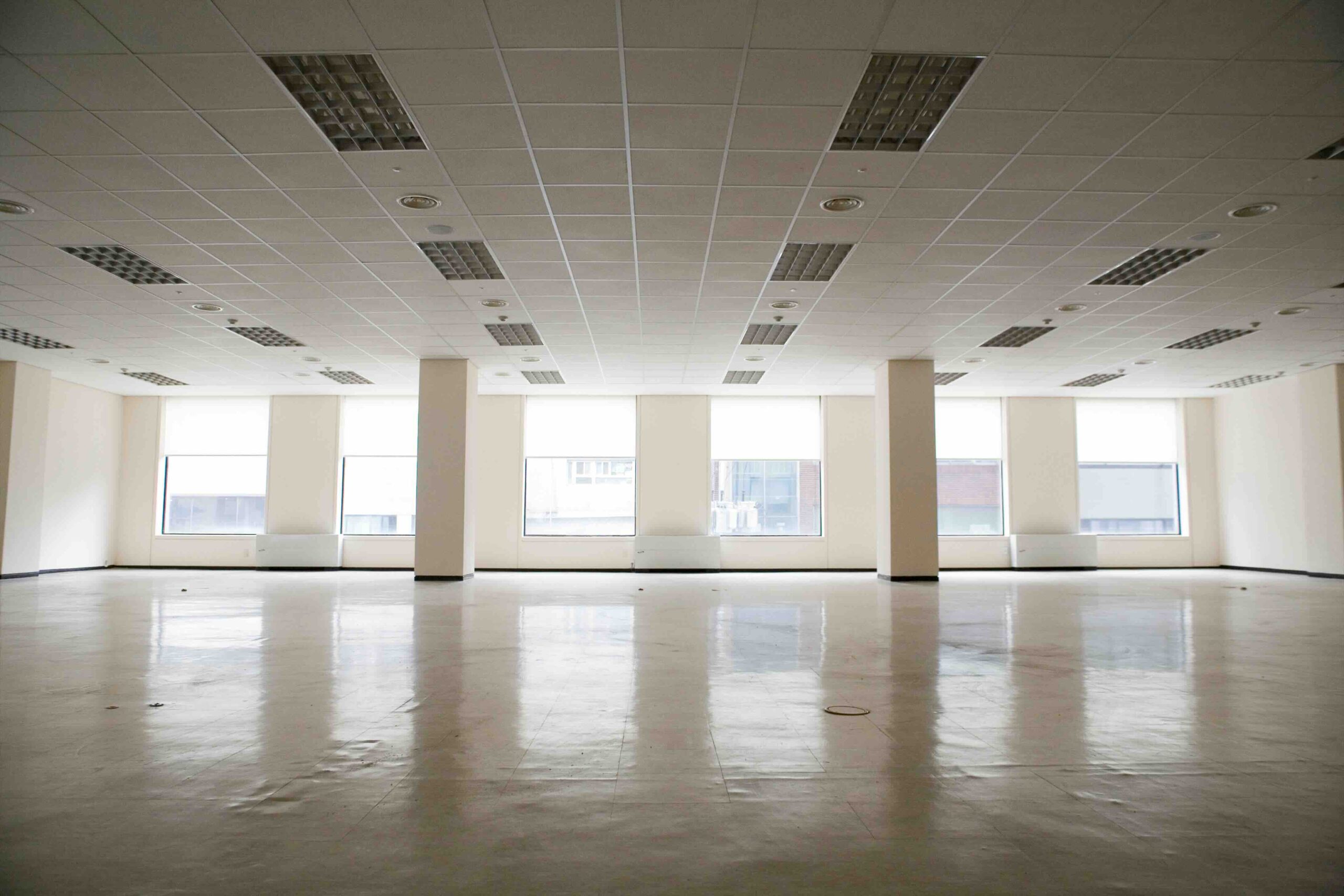
Retrofitted commercial acoustics in vacant offices
Melbourne faces a major property challenge. Commercial vacancy rates remain high. At the same time, we desperately need more housing. A recent article by Build Australia highlights an innovative solution. Dr Usha Iyer-Raniga from RMIT University suggests repurposing our ageing, second-grade office buildings. This process is called adaptive reuse. It breathes new life into underutilised city spaces.…
-
Heritage Building Acoustics
Heritage buildings tell incredible visual stories. They often feature soaring, vaulted ceilings and expansive, hard-surface floors. These beautiful spaces connect us directly to our history. Yet, they can present unique challenges for modern acoustic comfort. Large open rooms create extensive reverberation. Speech privacy is compromised, or non-existent. Usually, soft furnishings and sound dampening panels may…
Got any blog requests?